Day 1 · Acquisition, preprocessing, and the GLM

Day 1Session 0.0Kiehl, Calhoun, Wager0:30 hLecture

Course introduction

Introduces the instructors and the scope of the three-day course: paradigm design, image acquisition, and analysis of fMRI data. Sets up the two complementary software packages used throughout, SPM (model-based, univariate GLM) and GIFT (data-driven, multivariate ICA), and states what participants should take away from each session.

Take-aways

  • The course covers design, acquisition, and analysis, not analysis alone.
  • SPM (GLM) and GIFT (ICA) are complementary approaches and both will be used hands-on.
  • Aim for roughly 10 concrete take-home points from each session.

Key terms

  • SPM
  • GIFT
  • General Linear Model (GLM)
  • Independent Component Analysis (ICA)
  • model-based vs. data-driven
  • univariate vs. multivariate
  • paradigm design
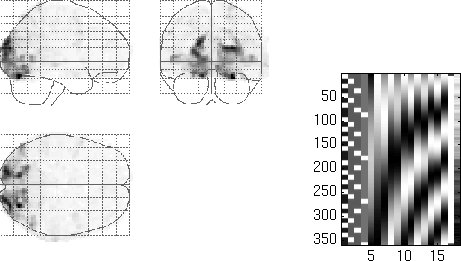
SPM glass-brain projections and design matrix
SPM glass-brain projections and design matrix. Lecture 0.0 slides (Kiehl)

Outline

What the session covers

01Who and what

  • Instructors: Kent Kiehl (Mind Research Network / UNM), Vince Calhoun (TReNDS; Georgia State, Georgia Tech, Emory), Tor Wager (Dartmouth).
  • Three themes run through the course: paradigm design, data acquisition, and analysis.
  • Framed as everything you wanted to know about fMRI but were afraid to ask.
02Two complementary software packages

  • SPM (SPM8/12) implements the General Linear Model: model-based and univariate, one voxel at a time.
  • GIFT implements Independent Component Analysis: data-driven and multivariate.
  • The course gives a practical, hands-on introduction to both, with lectures and tutorials interleaved.
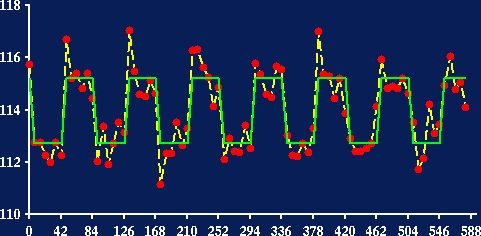
Block-design fMRI time series with fitted model
Block-design fMRI time series with fitted model. Lecture 0.0 slides (Kiehl)

03Goals of the course

  • Hands-on overview of fMRI image acquisition and analysis.
  • From each lecture or tutorial, aim to take about 10 points home.
  • Those points should improve how you review the fMRI literature and how you design and run your own experiments.
  • Day 1 follows the SPM processing pipeline from raw images through preprocessing to the GLM.
Axial brain slices in a false-color map — Lecture 1.3 slides (Wager)

From the instructors' research

Related figures

Examples of these concepts in published work by the course instructors.

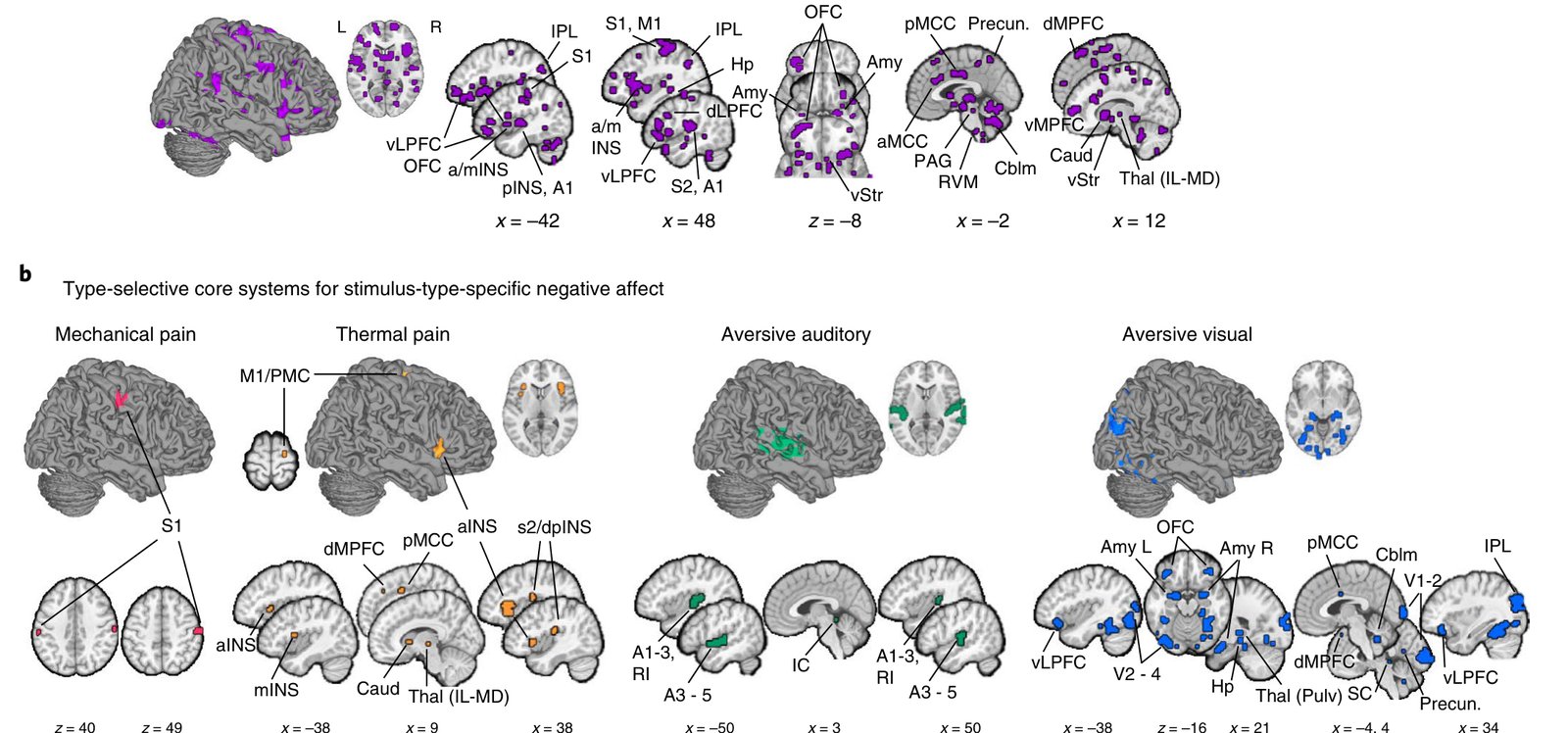
Common and stimulus-specific negative affect representations across the brain
Common and stimulus-specific negative affect representations across the brain. Čeko et al. (2022), Nature Neuroscience
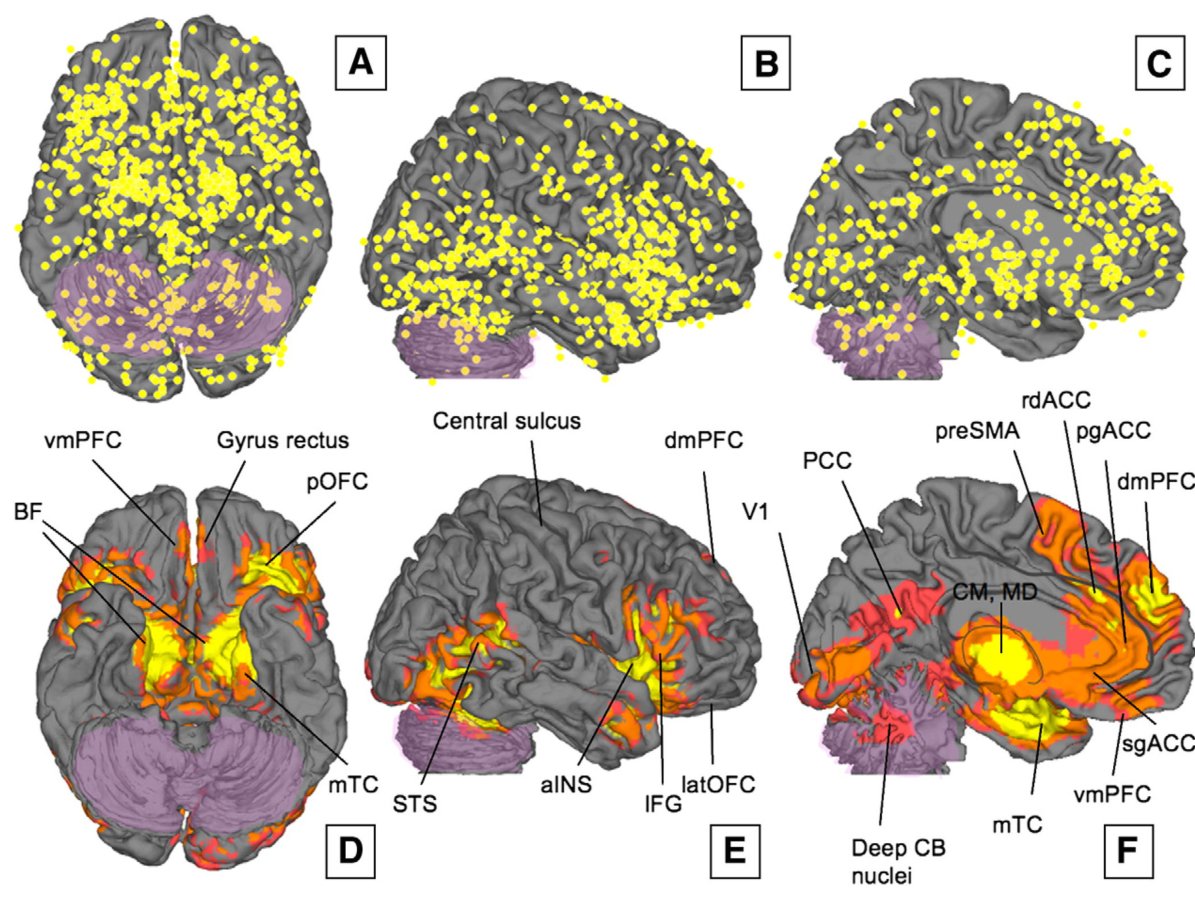
Peak coordinates from 437 emotion contrasts and consistent activations
Peak coordinates from 437 emotion contrasts and consistent activations. Kober et al. (2008), NeuroImage