Instructors

Instructors

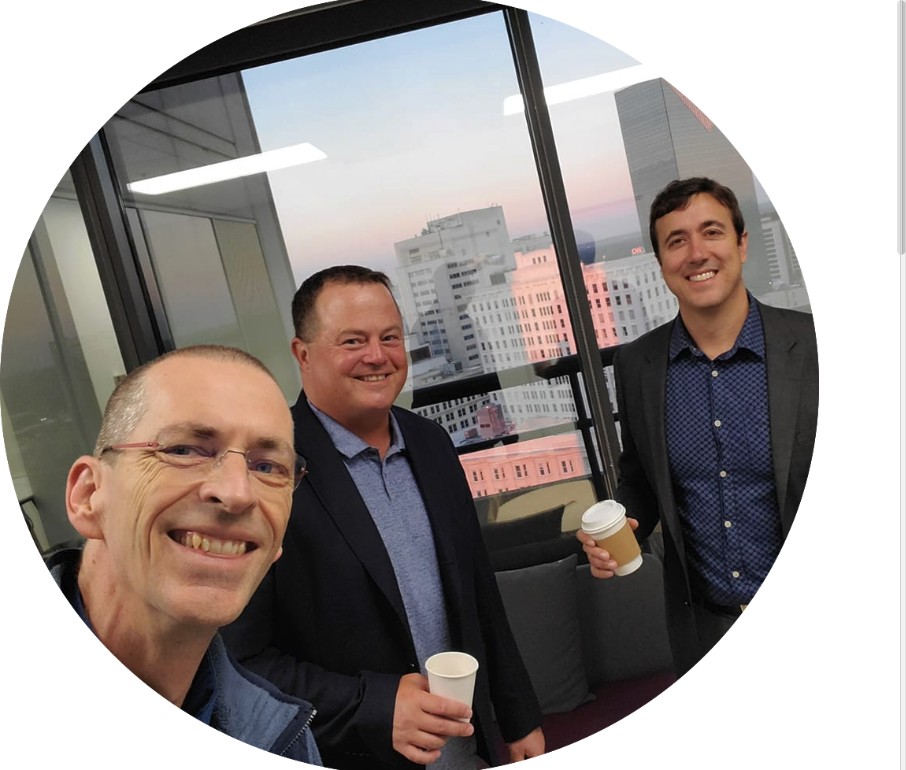
Vince Calhoun, Kent Kiehl, and Tor Wager.

Vince Calhoun, Kent Kiehl, and Tor Wager

We have been doing neuroimaging research and teaching fMRI methods for over 25 years. We love interacting with students from around the world, and from different career tracks and stages.

Vince Calhoun, Kent Kiehl, and Tor Wager

Colored white-matter fiber tract renderings from multiple views — Lecture 2.9 slides (Wager)
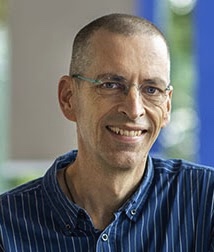
Vince Calhoun, Ph.D.

Vince Calhoun, Ph.D.

Georgia State University · Georgia Institute of Technology · Emory University

Dr. Calhoun develops techniques for making sense of complex brain imaging data. His work includes algorithms that map dynamic brain networks and how they are altered by tasks and by mental illness, and he is the lead developer of the GIFT toolbox for group Independent Component Analysis.

He is the founding director of the Center for Translational Research in Neuroimaging and Data Science (TReNDS), a tri-institutional center of Georgia State, Georgia Tech, and Emory.
Kent Kiehl, Ph.D.

Kent Kiehl, Ph.D.

The Mind Research Network · The University of New Mexico

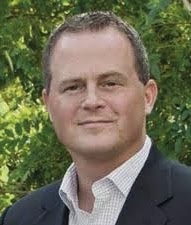
Dr. Kiehl is an author and neuroscientist who specializes in the use of clinical brain imaging techniques to understand major mental illnesses, with special focus on criminal psychopathy, psychotic disorders (schizophrenia, bipolar disorder, affective disorders), traumatic brain injury, substance abuse, and paraphilias.

He designed the Mind Mobile MRI System for forensic research, which has collected data from over 3,000 offenders across eight facilities. He lectures widely on neuroscience and law, co-edited the Handbook on Psychopathy and Law (Oxford University Press, 2013), and founded the MINDSET consulting group.

Tor Wager, Ph.D.

Tor Wager, Ph.D.

Diana L. Taylor Distinguished Professor in Neuroscience · Department of Psychological and Brain Sciences, Dartmouth College

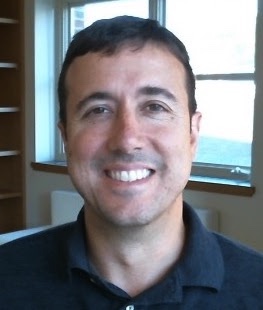
Dr. Wager received his Ph.D. from the University of Michigan in 2003 and has since taught at Columbia University and the University of Colorado, Boulder. He directs the Cognitive and Affective Neuroscience laboratory, a research lab devoted to work on the neurophysiology of affective processes — pain, emotion, stress, and empathy.

With Martin Lindquist he is the author of Elements of Functional Magnetic Resonance Imaging (MIT Press) and Principles of fMRI, and the lead developer of the open-source CANlab neuroimaging tools.